AI Agent or Automation? Decide Which Decisions You Are Delegating
Separate fixed automation with the agent in the example of publishing content. Build reliable flow with resource control, human approval, transaction registration, and re-run limits.
Calling each automation 'agent' does not make the system more advanced. The important distinction is whether the next step is predefined and what decisions the software will make itself. When a form is filled out, it is not the same responsibility to send the notification to the specific address and investigate between sources and decide which information to use.
When is steady flow enough?
If the input structure and result are obvious, consider a simple workflow first. For example, no new decision is required at each step to transfer the title, author, and image of the approved text to the CMS draft. Field control, incomplete information warning, and status record often form a more understandable basis.
In this example, if artificial intelligence is to be used, it can take on a narrow job such as text shortening. You don't have to make the broadcast decision to the same tool. More authority does not automatically mean better results; it enlarges the area to be affected when the error occurs.
The difference is that the agent decides within the task
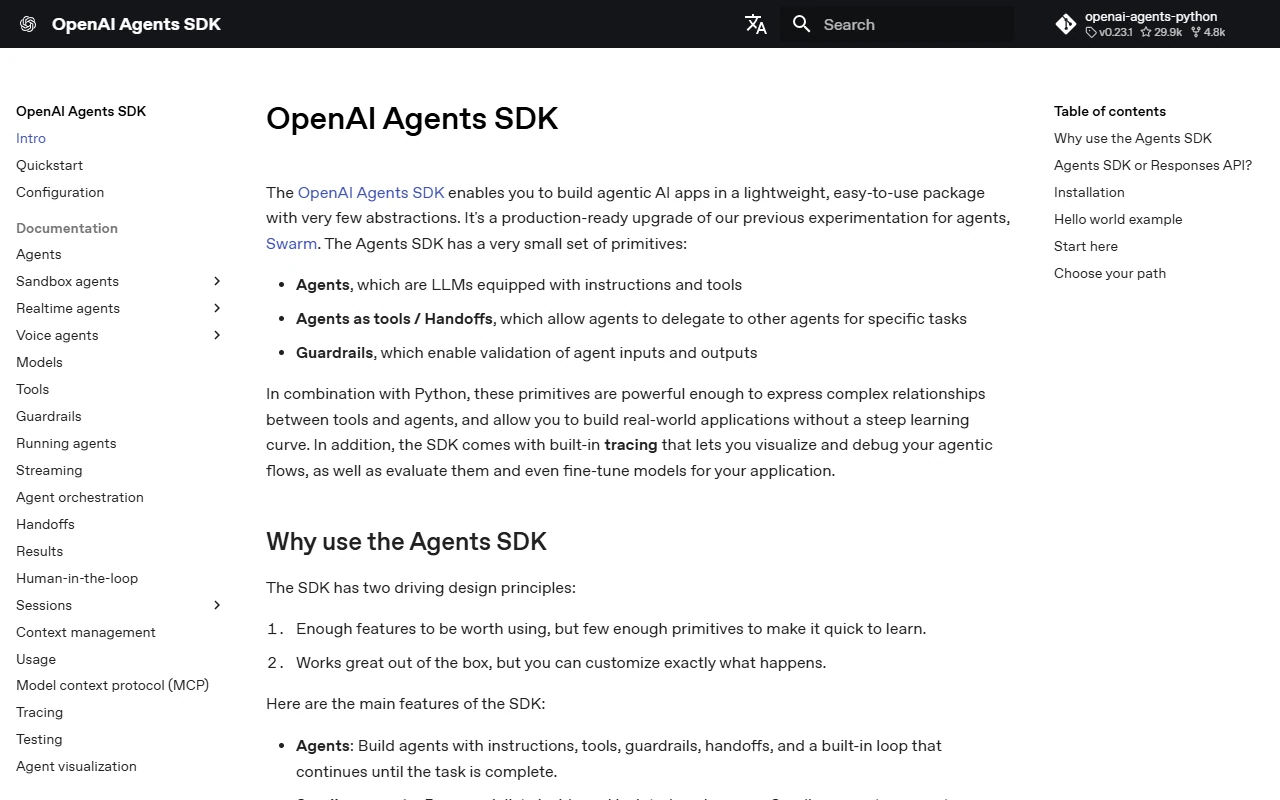
OpenAI's Agents API announcementDefines a managed structure for long tasks, tool use, context management, and subtasking coordination. Such infrastructure can be used for applications that need to choose between different steps. However, the fact that a product can run for a long time does not indicate that all of its decisions are correct or that the user's authority is unlimited.
In content research, the agent can take on the job of finding resources and marking conflicting information. Also define the date and resource conditions for the 'Find official announcements' task published in the last seven days. Separating the output as 'finders', 'verified' and 'undecided' is worth more than a flashy but unchecked summary.
Set up the confirmation point in the broadcast example
The flow I propose proceeds as follows: resources are collected, claims are linked to sources, original draft is written, visual use is checked, CMS fields are filled and submitted for human review. The publication action is held as a separate permission from the drafting action. This is not a mandatory template of a platform, but a design proposal to reduce risks.
The 'completed' record should also not be linked to the successful return of the vehicle call alone. Does the correct address open after the broadcast, is the content really new, is the visual loading and the page in the expected state? A system that does not verify the result by reading it may assume the draft record is published.
Re-run and stop condition
If the same task is carried out a second time, two copies of text should not be created. Store an ID, current status, and last successful step for each job. Have the system stop and report in case of access rejection, incomplete source, or unexpected page; do not design a loop that attempts to bypass the security barrier.
The right question is not 'how many agents do I have?' but 'what decisions do we make and how do we notice when it's wrong?' Small, traceable, and retrieval flow; more useful than an uncontrolled automation crowd.
Resources
- OpenAI - Introducing the Agents API · 6 October 2026