Nail Art Does Not Need Ten Identical Nails: Plan the Design on Paper
Prepare a color and motif plan for ten nails without going into physical application, an original design exercise that uses the main color, accent, and space balanced.
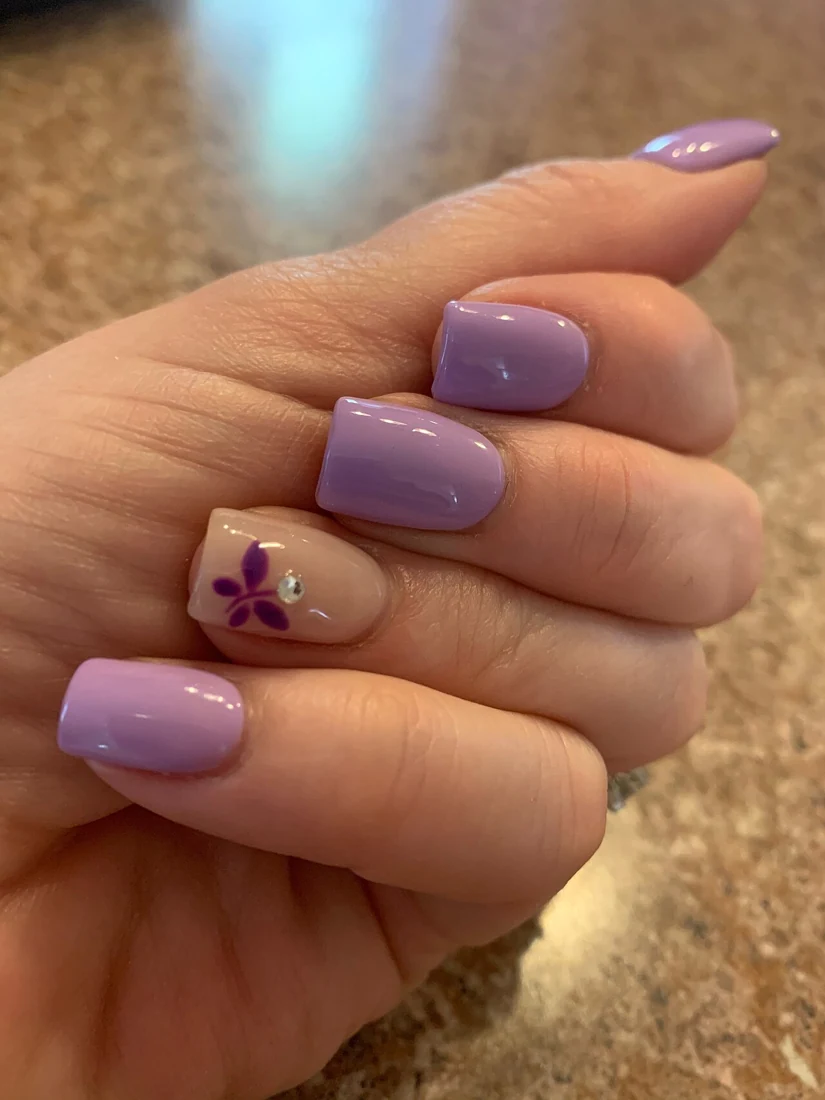
The idea of a nail art may seem very impressive in one nail; it may not give the integrity you expect when carried to ten fingernails with the same intensity. Making a small composition plan on paper or digital canvas before physical application allows you to see which color to use. This guide is for visual design alone; it does not teach gel, chemical product, device, or nail health practice.
Prepare ten empty shapes first
Draw five long ovals for two hands. Label the row of the right and left hand; do not think of different sized nails as having the same area. Leave a small area of note where you can write color codes and motif names next to the shapes.
In this exercise we will use three visual elements: plain ground, single line and small point. These are an original starting order; they are not presented as a trend of a particular season or as a result of professional practice. Selecting simple elements instead of complex drawing allows you to evaluate the composition more comfortably.
Separate the main color and accent colour
Canva's color circle You can study the tones of the same color family or neighbouring colors through it. From here, choose a main color, a lighter companion, and the emphasis you will use in small spaces. You do not have to use three colors in equal amounts on each nail.
In the original example, the thumb and sparrow can be divided into plainr, the index finger with stripes, the middle finger with one dot, and the ring finger with an accent color. This order is not a mandatory rule; it is a sketch that shows how you can distribute density.
Read both hands together
You can copy the same layout to the other hand one-on-one or preserve the main colors and change the pattern order. Whichever one you choose, evaluate what the two hands look like together. The ten designs that look beautiful individually are not automatic to be compatible within the same set.
Examine the sketch on a small scale. Is the main idea still selected? Are all the nails with the same darkness and density? Compare whether other motifs are more obvious when you leave a few areas plain. First, make a solitary change and evaluate the two versions side by side.
Deliver the reference open and available
In the last sketch, specify the colors, the location of the motif, and what detail is approximate. If you are going to show an expert, acknowledge that the image is a design reference, not a one-to-one physical result guarantee. The actual appearance of the color and material on the screen may not be the same.
Don't present digital sketches on social media like a real applied manicure photo. Do not take someone else's design exactly and claim original work by changing their color alone. Good nail art plan is not to add more ornaments; it is to consciously choose which element will stand out in small spaces.
Resources
- Canva - Color circle · 6 October 2026