What Do the Millimetres on a Lens Mean? Prime, Zoom and Framing
Read the mm value on the lens: focal length, angle of view, constant focus and zoom differences. Simple comparison method according to your photo needs.
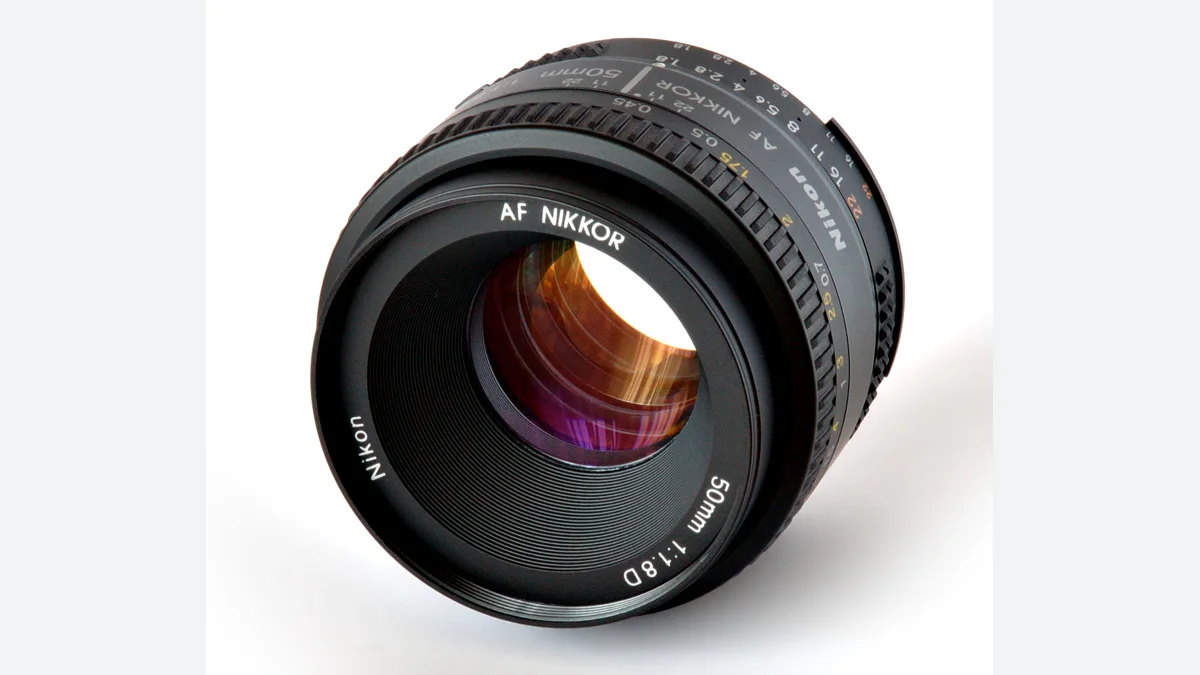
When choosing a lens to the camera, the mm value can turn into a size race, whereas the high number does not mean a better image in any case. First you need to think about how much of the scene you want to shoot and how close you can get to the subject.
The focal length is not the length of the body
In Nikon's focal length description, mm does not equal the physical length of the lens; it refers to the focal length of the optical system. As the focal length increases in the same viewing conditions, the angle of view narrows and the subject looks larger. The shorter focal length covers a wider area. This relationship allows reading the number on the label as a frame decision.
Think of an interior shot. When you have nowhere to step back, the narrow angle of view may not fit the area you want in the frame. When you want to take a remote detail, the same wide angle preference may not be enough. These are examples to show how the need drives the number, not to praise a particular lens.
What does Prime and zoom change?
The focal length of the prime lens is constant; the zoom lens varies in a certain range. Nikon describes the flexibility of the zoom to pass through different quadrants without changing lenses; and the possibilities of use, such as shallow depth of field of some wide aperture prime options. This does not mean that all prime lenses are better than each zoom or that each zoom is suitable for all tasks.
Compare to your own shooting list
I would start the comparison by selecting three scenes: a small product on the table, a person in the interior, and a detail further away. Note where you can stand on the same stage and what should enter the frame. Comparing it by keeping the camera body and the image area constant reduces the confusion of your decision by changing factors outside the lens.
In one trial, first examine the different focal lengths from the same point. See where you need to stop for the frame you want in the second attempt. These two essays answer different questions: the first one makes the angle of view visible, the second one makes the practical limits of your shot area visible. Both results are your use grade; not a universal product order.
Eliminate body compatibility at first
Finding the frame you like does not show that the lens works with your machine alone. Check the manufacturer's body and connection compatibility. If you have an adapter or limited function to use, write it separately to the purchase evaluation. Seeing the same mm expression is not enough information alone that guarantees the same frame in different bodies and sensors.
The final question I propose for content production is: Will I work in an environment where it will be difficult to change lenses, or do I shoot a scene that I can prepare and repeat? The required flexibility, the equipment you carry, and the area of attraction together make sense of the mm value.
This guide does not give a physical test score to an equipment, its purpose is to set up a trial plan where you can read the technical label and translate it into your own photo needs.
Visual and source note
Photo: Andr ⁇ Karwath aka Aka · CC BY-SA 2.5. 16:9 fit into the ground; sizing and WebP conversion; subject not cropped. The license of the photo is related to the visual; the writing was originally prepared.
Resources
- Nikon - Understanding Focal Length · 6 October 2026
- Cover photo and usage license · 6 October 2026