Finding an Assembly Point Is Only the Start: A Practical Family Meeting Plan
Find the AFAD's collection area with an e-Government query; convert address, alternative walkway, and family communication into a one-page viable plan.
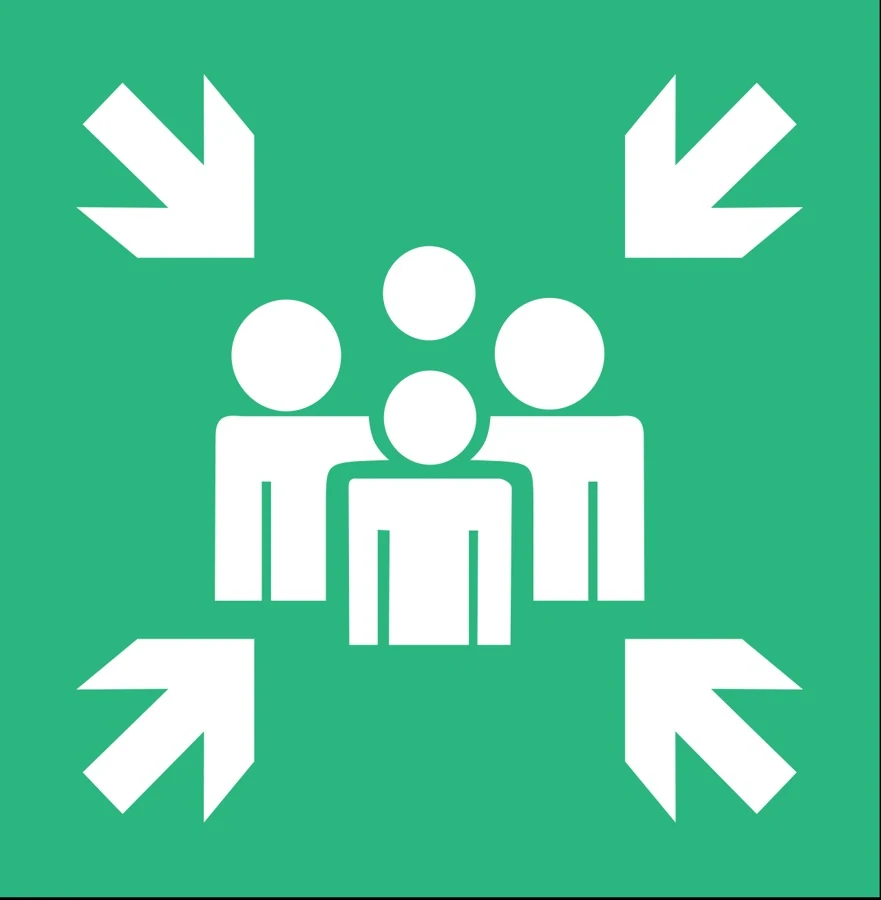
It is the beginning to see the location of a gathering area on the map. It is the usable part of the plan if everyone in the family gets to know it, knows what to do if it is disconnected, and pre-assessssssssssss the walkway. Instead of leaving the preparation to a single screenshot, it needs to turn it into a few concrete decisions.
A collection area and temporary housing are not the same thing.
In the statement of AFAD Aggregation areas are defined as areas where people meet and exchange information by moving away from dangerous areas after the disaster. It does not have to assume the same function as the centers where the need for temporary housing will be met. Seeing a gathering area on the map does not mean that there are tents or continuous services there at all times.
Field suitable for your address the Official Query Service in the e-State Check it. Don't make a social media map you don't know the only basis. Current redirects by local authorities can get in the way of the record you've already kept.
Set up the family plan with four questions
The first question is exactly where the area is. Record a clear meeting point that family members will recognize, not the name of the neighborhood alone. The second question is how to get there. The AFAD recommends seeing the area in advance and setting alternative routes. Do not assume that the short path on paper can be used under any circumstances.
The third question is who will let family members know when they can't reach each other. You can set a contact person in your own plan and keep his number available offline. The fourth question is who needs additional support. It is important that responsibilities for the child, elderly, disabled individual or pet are not obscured.
Adapt the sample plan to your own condition
Type 'primary meeting place', 'alternative meeting decision', 'communication person', 'person who needs support in transportation' and 'last check date' on a page. These titles are an editorial proposal; not an official disaster response directive.
Don't just keep the plan inside the phone. Keep a copy in a common place at home. Don't publicly share the document with full address, personal health information, and family phones. Make these details invisible if you're going to share a prep photo online.
Update is also part of the preparation
Review the plan when you move, when a family member’s support needs change, or when routes change significantly. This guide does not replace official instructions for behaviour during an earthquake or a building safety assessment. Follow the authorities’ instructions in an emergency and call 112 when help is needed.
For the preparation of access to digital resources e-Government account security guide It can also make your job easier, but not connecting disaster preparedness to a single application is the most important design decision of the plan.
Resources
- AFAD - Access to the Gathering Area · 6 October 2026
- e-Government - Disaster and Emergency Gathering Area Inquiry · 6 October 2026
- Ministry of the Interior - 112 Emergency Call Center · 6 October 2026