Before the Recycling Bin: Shopping Decisions That Reduce Household Waste
Don't see waste management as just box colors. Apply the steps of need, reuse and evaluating existing items before you buy new products.
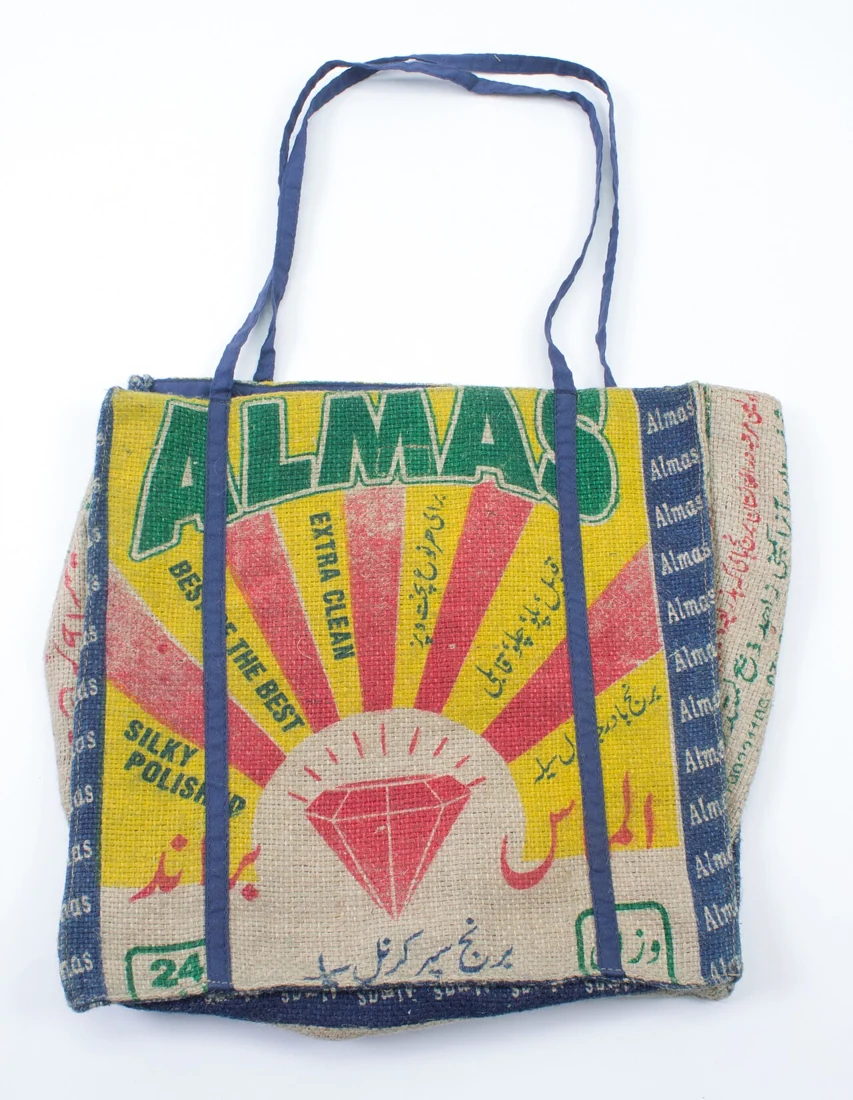
It is important to find the right box for recycling; but not all environmental decisions in the house start as soon as the waste is generated. It is also part of this process to evaluate what you need before shopping, whether the product you have is doing the job and how to use the new product. The goal is not to declare every transaction bad, but to notice the unnecessary from the beginning.
The first question is not the product but the need.
IMMIB's Green DictionaryThe zero waste approach is associated with the prevention of waste, efficient use of resources and reduced waste formation. To translate this idea into everyday life, you can write down the problem you want to solve, not the product name first.
For example, instead of 'new table editor', type 'finding small items on the table is easy'. The second statement allows you to think about whether a solid box in the house will also be the solution. This example does not mean that every material is suitable for every use; safety and usage instructions are also important in food, electricity or chemical contact.
A small try with the current item
Before you buy, you can try the current layout for a week. Separate the pieces you don't use, collect the items you're looking for in one place, and observe what's really missing. A week trial is not a mandatory environmental standard, but a personal method that rushes your decision.
Do not continue to use a broken or unsafe product just so that it does not come out of waste. Evaluate authorized or appropriate expert support if repairs are required. Environmental purpose is not a reason to dangerously turn on the electric device or disable the protective part.
Consider the condition of reuse
The fact that a container can be reused does not mean it is suitable for every new content. Consider the manufacturer's purpose of use and the material conditions. Do not turn the chemical container into a food container just because its appearance is intact. Reuse should be planned within health and safety limits.
When evaluating gift, sharing or second-hand options, clearly state the actual condition of the product. Giving a defective item to someone else as if it were working is not reducing the waste, but carrying the problem. Also investigate the correct delivery channel of the product that is out of use.
The result is small but true measure
Your records can document concrete decisions: avoiding an unnecessary purchase, using an item longer, or arranging a repair. Do not turn these observations into carbon savings or numbers of trees without calculation. Such claims require suitable data and a valid method.
At the end of the month, assess which decision actually works. Write down why if a proposal can't be implemented in your home. Useful sustainable living is not to give the image of a perfect consumer; it is to reduce unnecessary consumption with safe and repeatable small decisions.